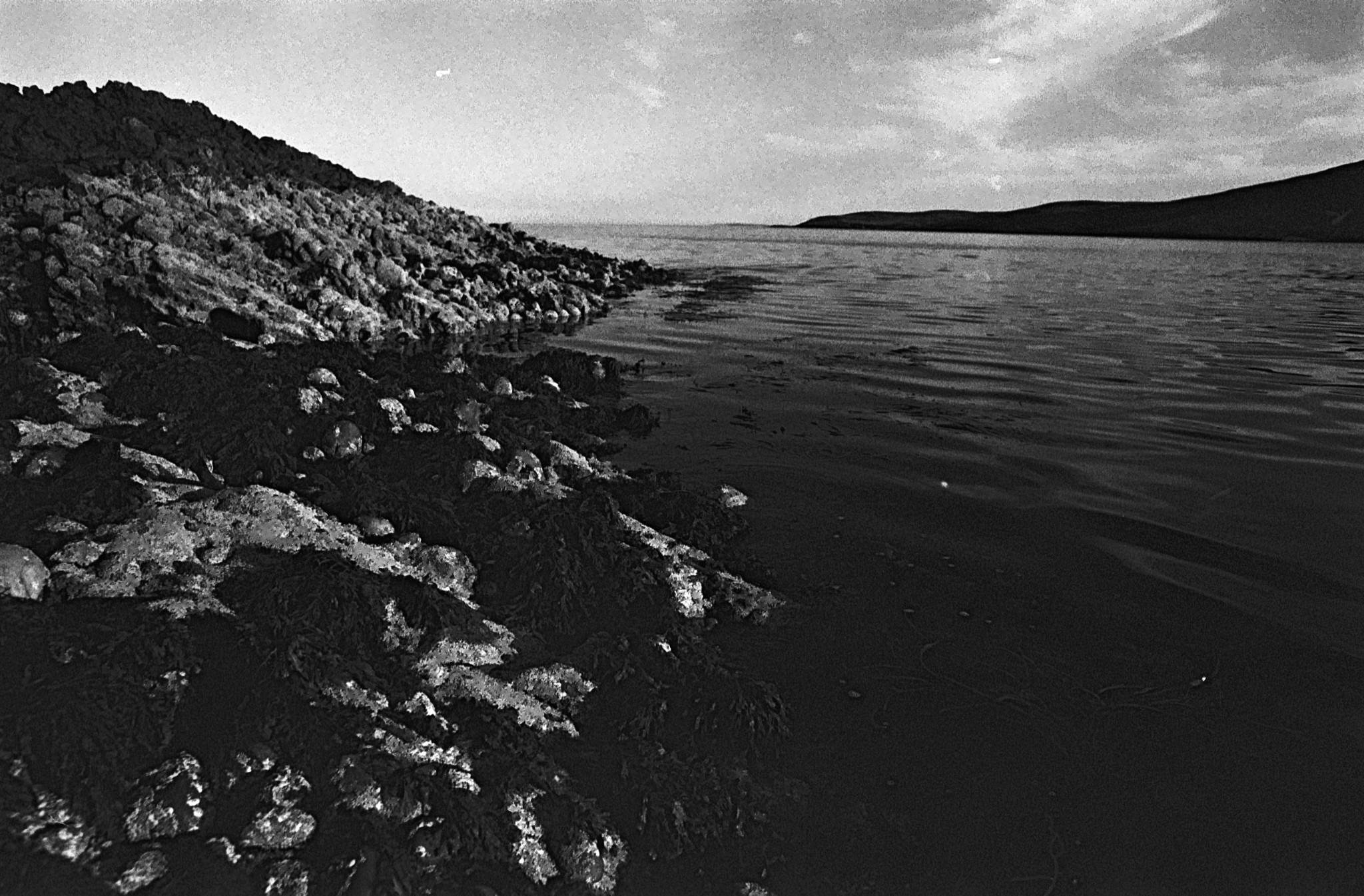
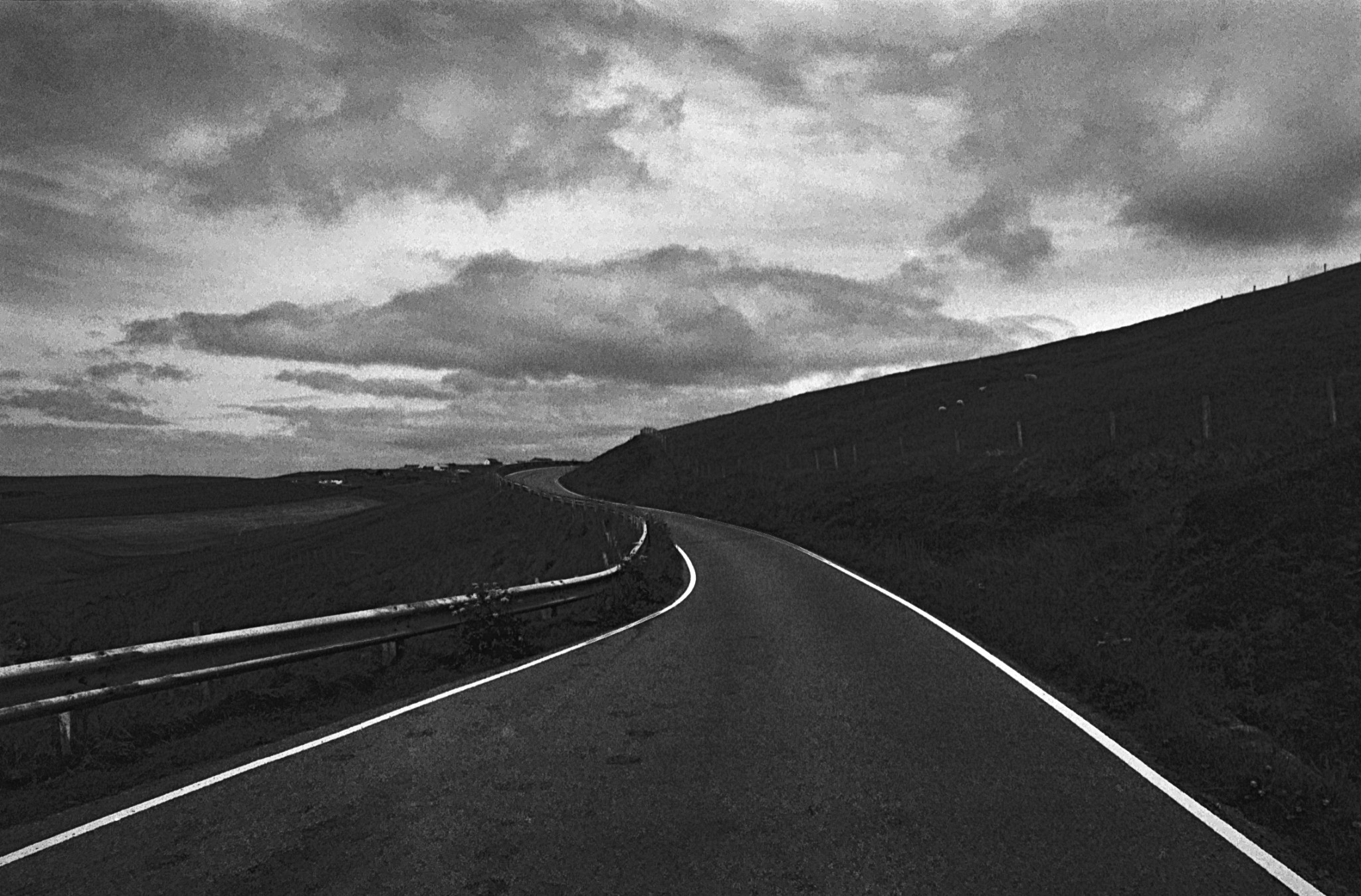
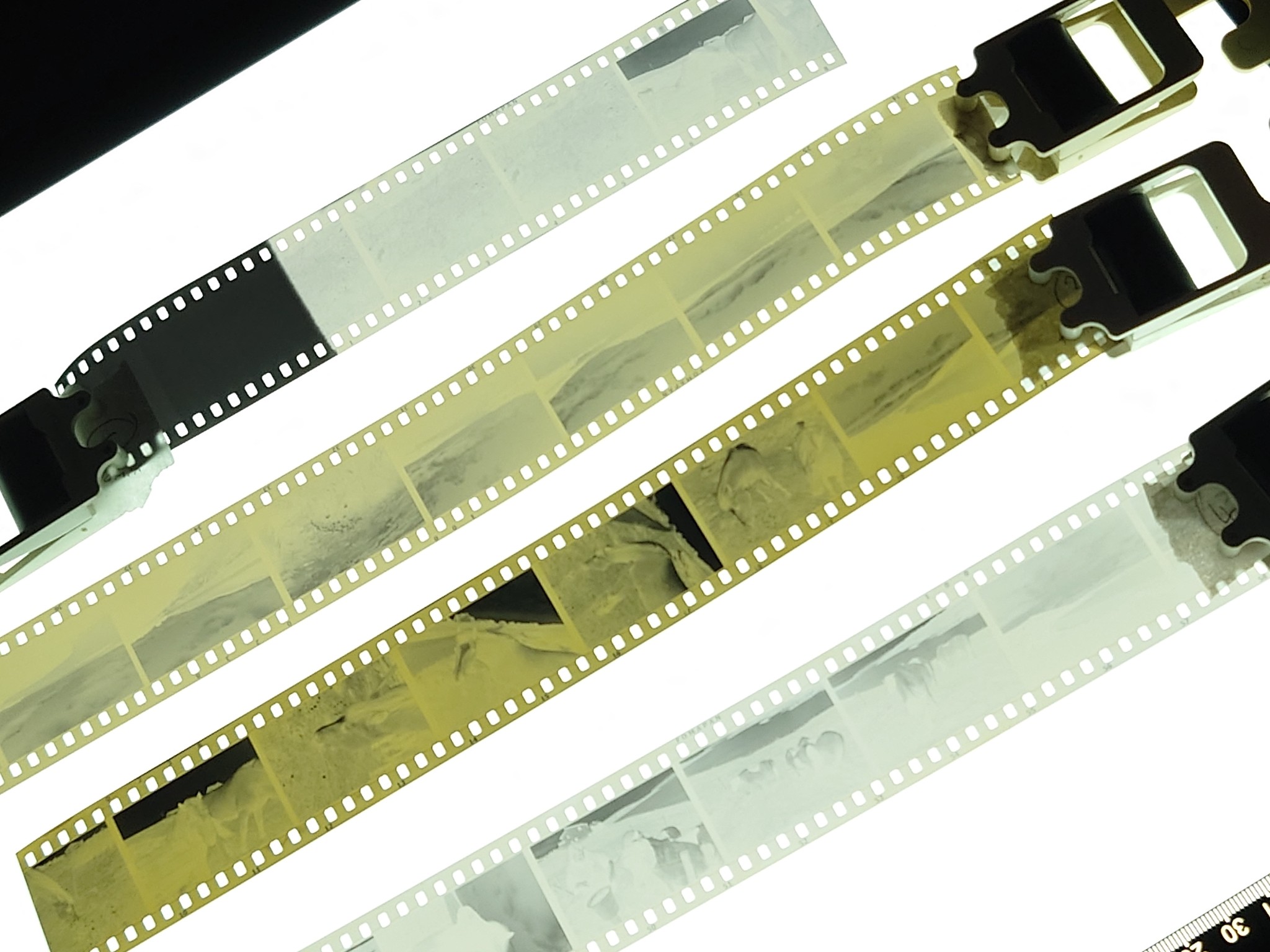
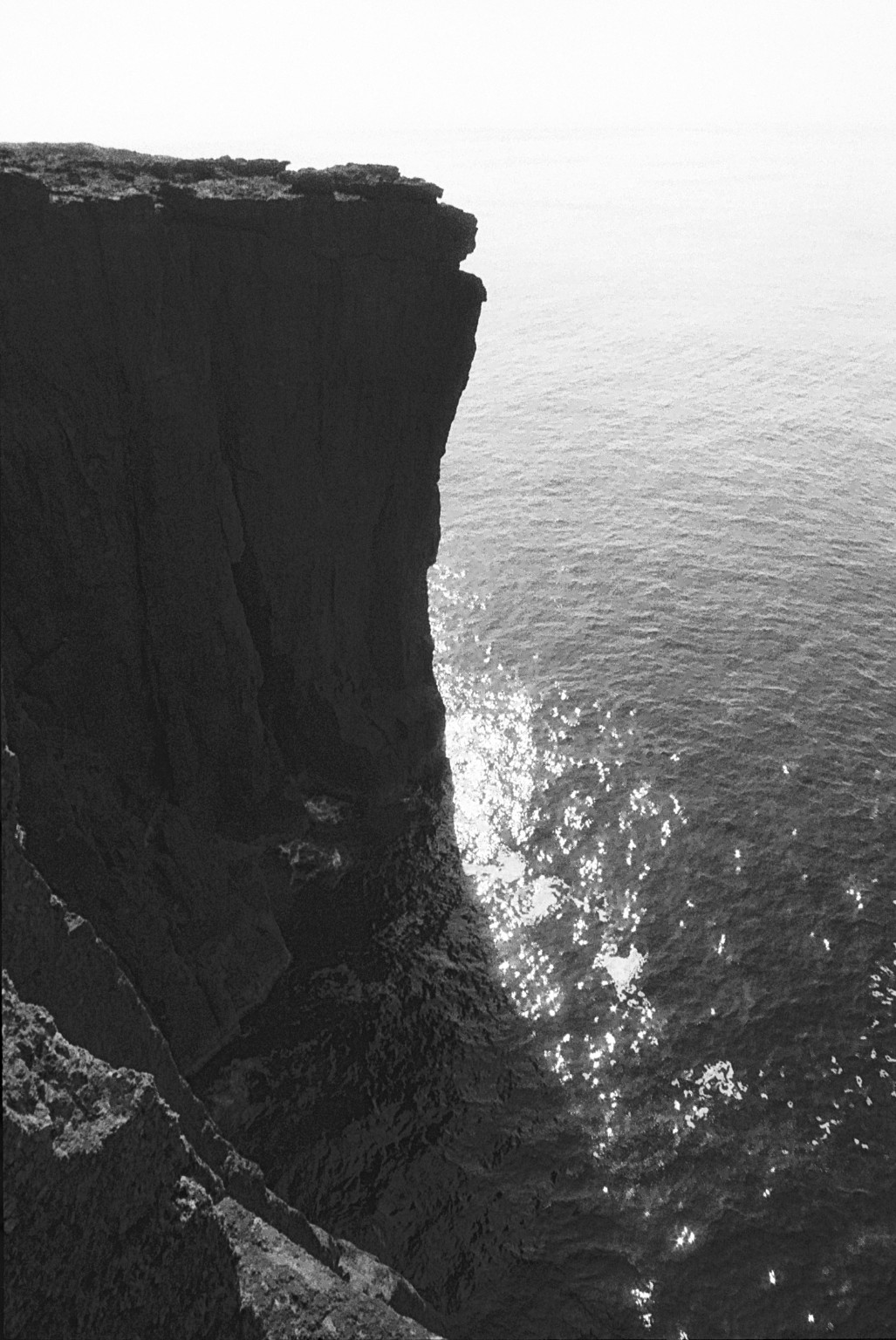
Photographer Chris Smith was successful in his application for the Winter 24/25 round of VACMA. In this blog, he shares with us his experience of applying for the funding, and how it has benefitted his creative practice.
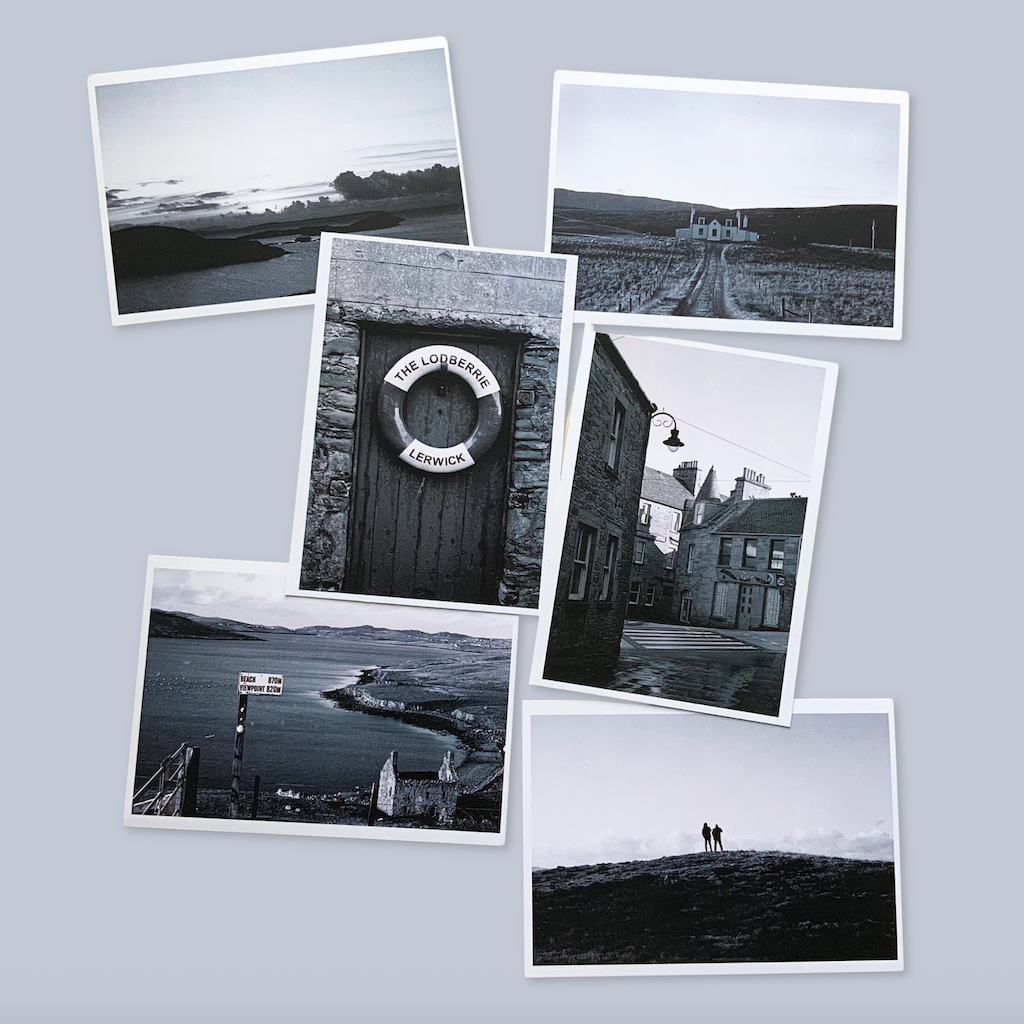
He has been exploring the creation of a seaweed-based developer for processing various film negatives and darkroom paper, combining sustainable, natural elements with traditional analogue photographic techniques for innovative image development.
"VACMA is not just about funding materials; it’s about giving yourself permission to take your ideas seriously and explore them fully... if the idea matters to you, VACMA gives it room to grow."
What inspired you to apply for the Visual Arts & Crafts Award?
My photographic practice has always been rooted in exploring historical and alternative processes, but in recent years I’ve felt a strong pull towards making it as environmentally sustainable as possible. I had already been experimenting with Caffenol, a developer made from coffee, vitamin C and soda crystals, and saw first-hand that high-quality results could be achieved without harsh chemicals.
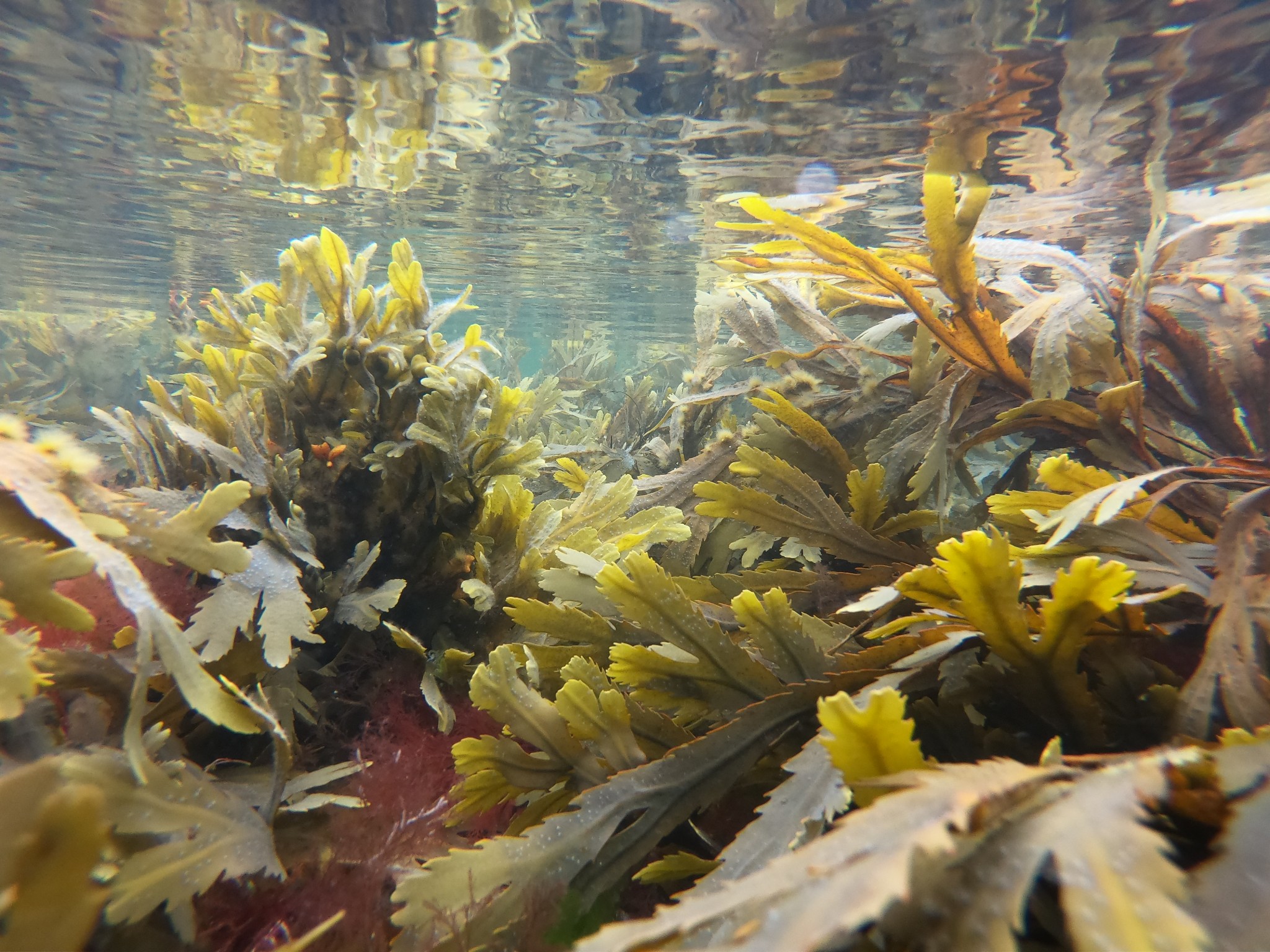
The next step was to look closer to home. Living in Shetland, I am surrounded by a rich coastal environment, and I began experimenting with seaweed as a possible photographic developer. Early tests showed exciting potential, but I lacked the resources to take the project further. When I discovered the Visual Arts & Crafts Award (VACMA), designed to support artists at a local level, it felt like a natural fit. Using free natural resources from the Shetland coast to replace traditional darkroom chemicals seemed the perfect way to bring my values and environment into alignment.
What kind of project did you propose, and how did the award help bring it to life?
My proposal focused on systematically testing different species of seaweed as film developers. I wanted to document their properties, experiment with varying film sensitivities, and record results to create a development chart that could serve as a practical guide for myself and others in the future.
The VACMA award allowed me to fund the necessary materials - film stocks, darkroom supplies and equipment - for consistent testing. Without it, my work with seaweed would have remained a side experiment. With support, I have been able to treat it as a serious, structured project with the aim of producing results that could eventually be shared with the wider photographic community.
How did the funding change or enable your practice - what are you able to do now that you couldn’t before?
The award created the breathing space to fully commit to sustainable photographic research. Instead of making one-off tests whenever I could, I’ve been able to design a careful methodology: testing seaweed species side by side, working across different film sensitivities, and recording the results in detail.
This has given me a clearer sense of the scientific backbone of my practice - balancing creative discovery with disciplined research. It’s also allowed me to deepen the connection between my environment and my work. Each roll of film developed in seaweed is not just an image but a record of Shetland’s natural resources transformed into chemistry.
Has the award influenced what you’re working on now, or how you see your practice evolving?
This project has reaffirmed my commitment to environmentally conscious analogue photography and opened up new possibilities for sharing that vision with others. My long-term goal is to run workshops where participants can learn about sustainable photographic processes, and thanks to VACMA, I now have a foundation of tested methods to build on.
I see my practice evolving in two key directions: first, continuing to refine eco-friendly developers and make them more accessible to other photographers; and second, exploring the artistic dialogue that emerges when materials, environment, and image-making become inseparable. The award hasn’t just supported one project - it’s shaped the future direction of my practice.
What would you say to another artist thinking of applying?
I would say: absolutely go for it. VACMA is not just about funding materials; it’s about giving yourself permission to take your ideas seriously and explore them fully. If you have a project that excites you but feels just out of reach because of resources or time, this award can make the difference between a passing experiment and a body of work with real impact.
For me, it meant moving from a single test roll of seaweed-developed film to a structured project with lasting outcomes. For you, it might be something entirely different, but if the idea matters to you, VACMA gives it room to grow.
This project has given me a solid foundation to build on, with new ideas continuing to grow from the initial experiments. The outcomes have gone far beyond my expectations: not only have I developed a working base of knowledge around seaweed developers and has allowed me to start producing a development chart that can support future sustainable darkroom practice, but the work has also been recognised and endorsed by the United Nations Decade of Ocean Science, taking it from a local Shetland project to one with international reach.
On a personal level, it has also drawn together my own love of photography and art with my wife’s passion for marine science, creating a unique space where our interests overlap. This collaboration has opened the door to further opportunities; including the drafting of a scientific paper based on the findings, which we plan to submit to a peer-reviewed journal. What began as a search for eco-friendly alternatives has grown into a project that bridges art and science, and I’m excited to see where it leads next.
The Visual Artist and Craft Maker Awards (VACMA) are a programme of small grant schemes delivered in partnership with a range of local authorities and art organisations across Scotland. The schemes are managed locally by these partners. VACMA offers fixed bursaries of £500 and £1,000. The purpose of these bursaries is to support visual artists and craft makers in their creative and professional development.