Visual artist Chloe Tallack was successful in her application for the Winter 24/25 round of VACMA. In this blog, she shares with us her experience of applying for the funding, and how it has benefitted her creative practice.
Chloe's project has combined printmaking, projections and soundtrack, using cross-media techniques to create a dynamic, immersive visual and sound work.
"It feels like the beginning of a new chapter in my creative practice."
What inspired you to apply for the Visual Arts and Crafts Award?
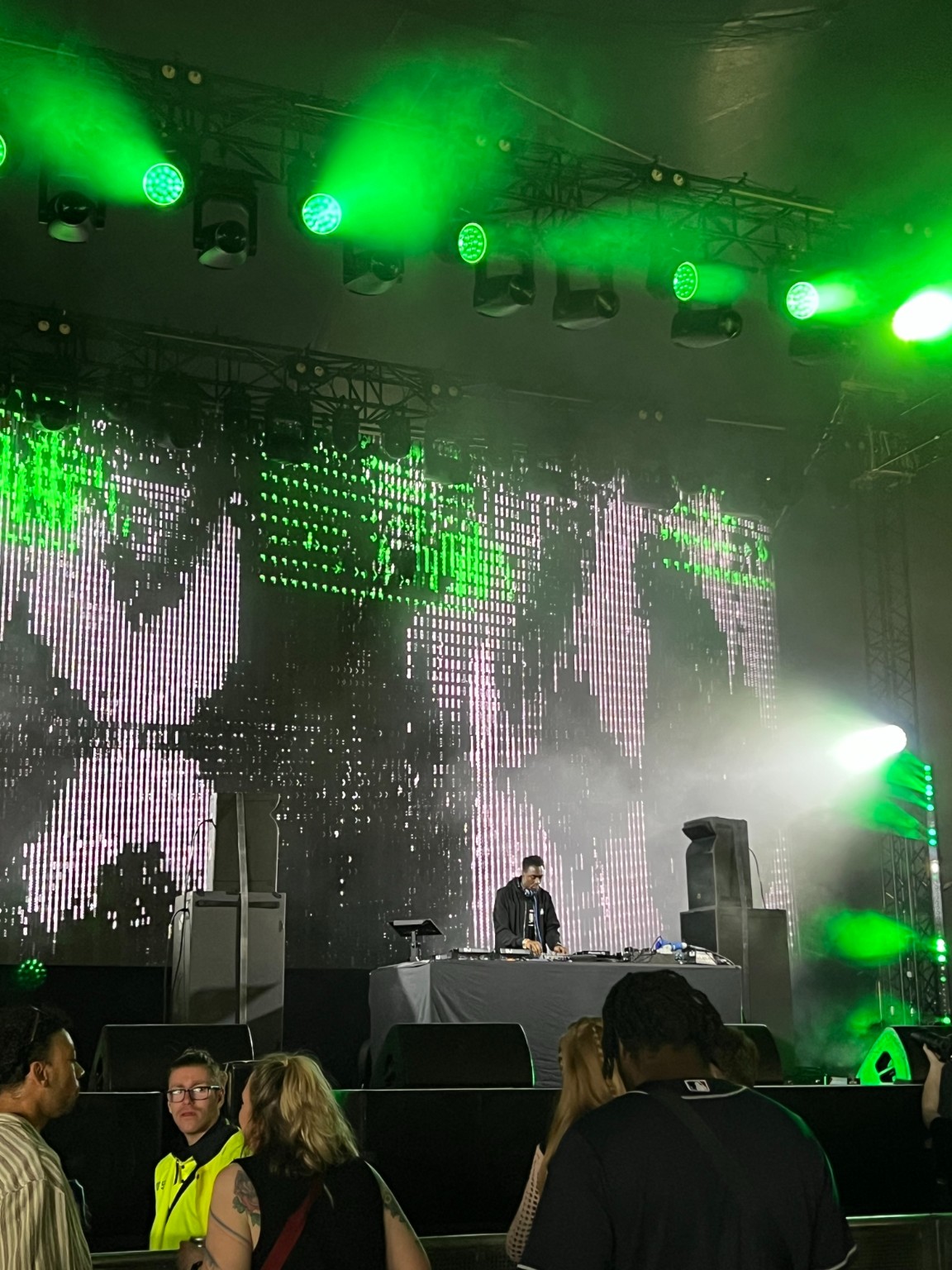
I was inspired to apply for VACMA because I wanted to explore a new direction in my creative practice; one that brought together my love of music and visuals. I was particularly keen to work towards a performance at the end of the project. The idea of blending sound and image in a live setting really excited me, and VACMA felt like the perfect opportunity to explore that.
What kind of project did you propose, and how did the award help bring it to life?
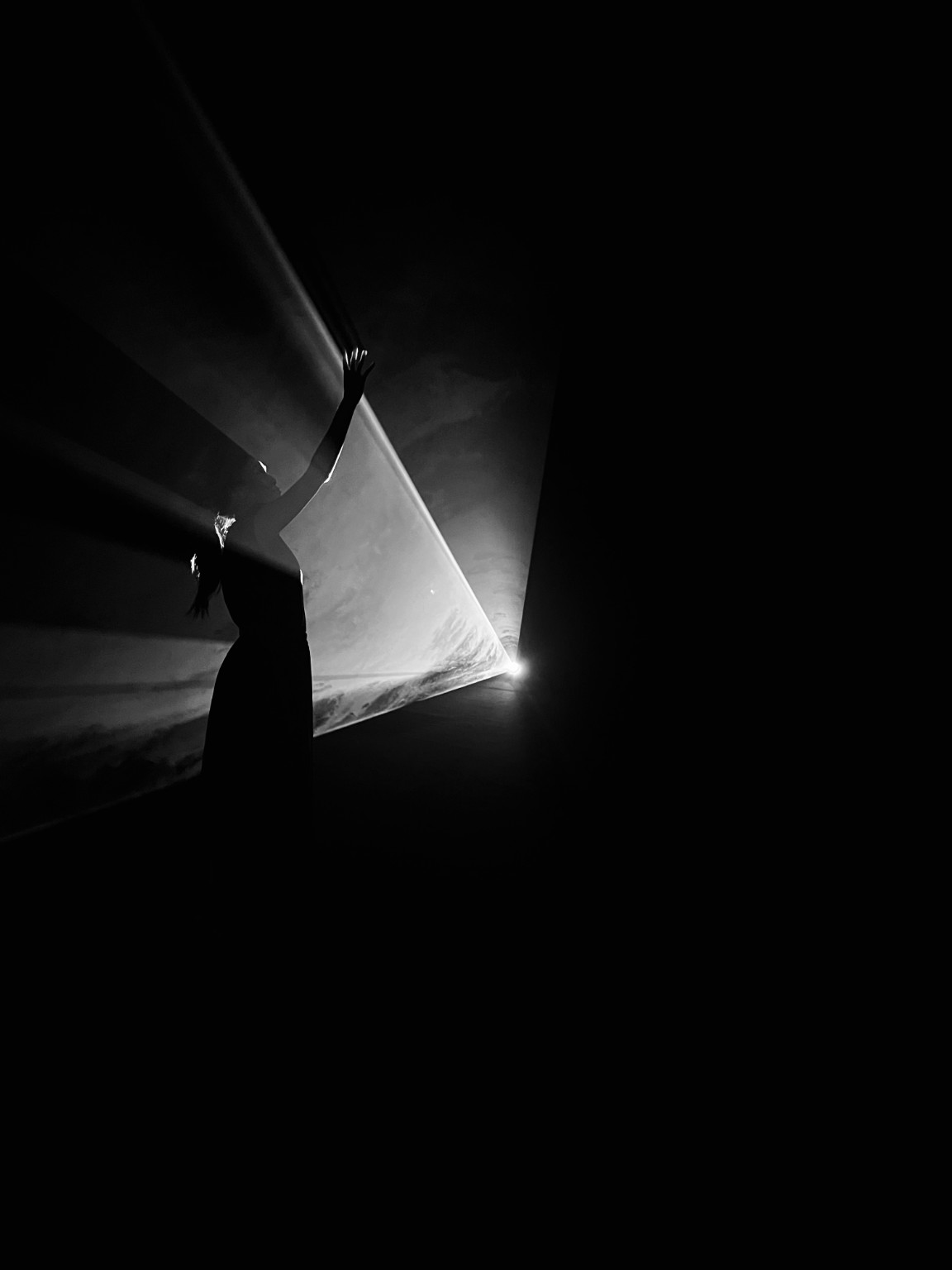
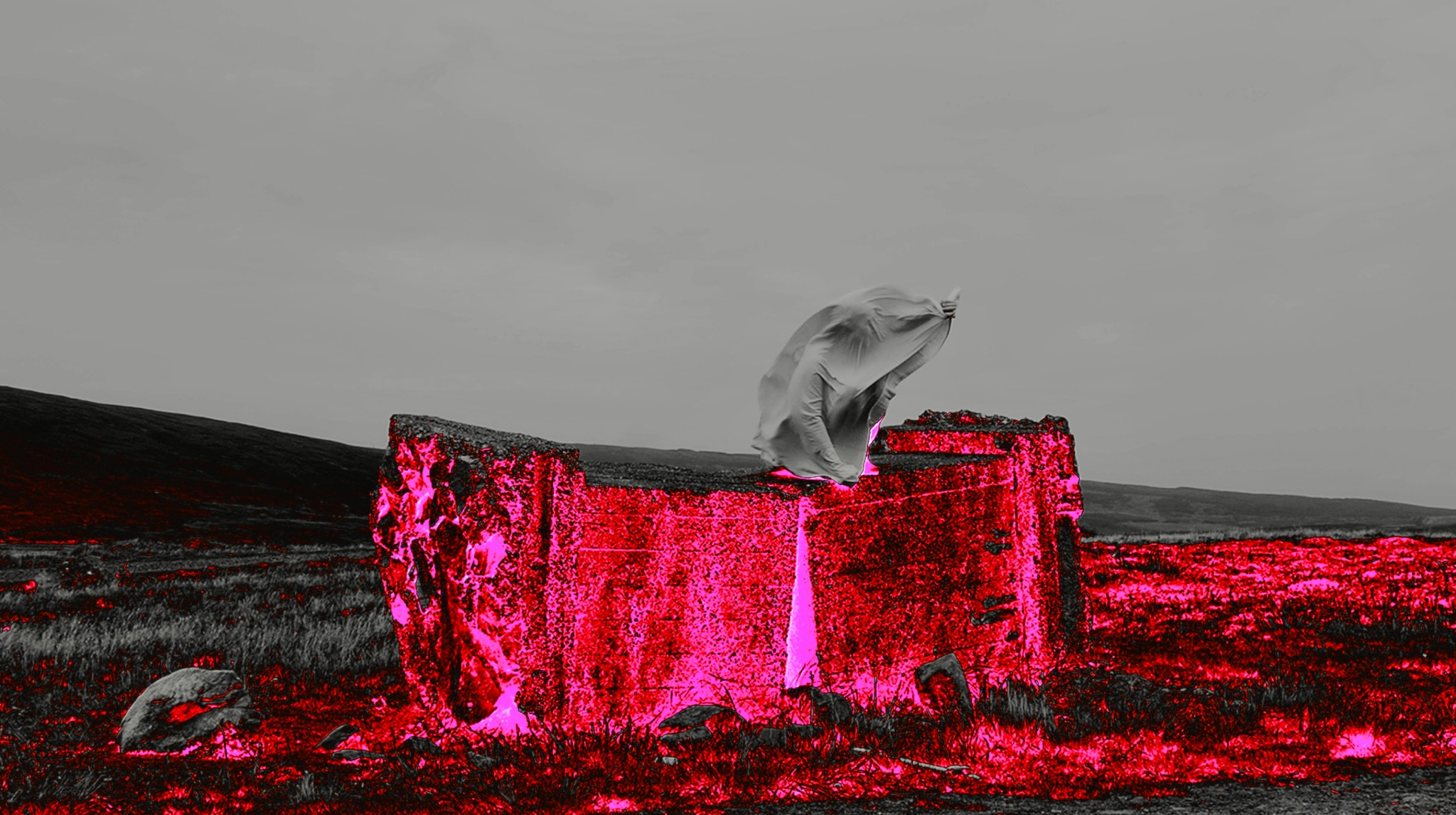
My original proposal was to create a short film combining electronic music with abstract, moving visual forms inspired by artists like Max Cooper (whose work blurs the lines between sound, science, and visual art). Initially, I imagined making a short experimental film, but as I began researching and developing the project, working with artist Jono Sandilands helped me realise I wanted to focus more on live visuals, triggering and projecting clips in real time as part of a performance.
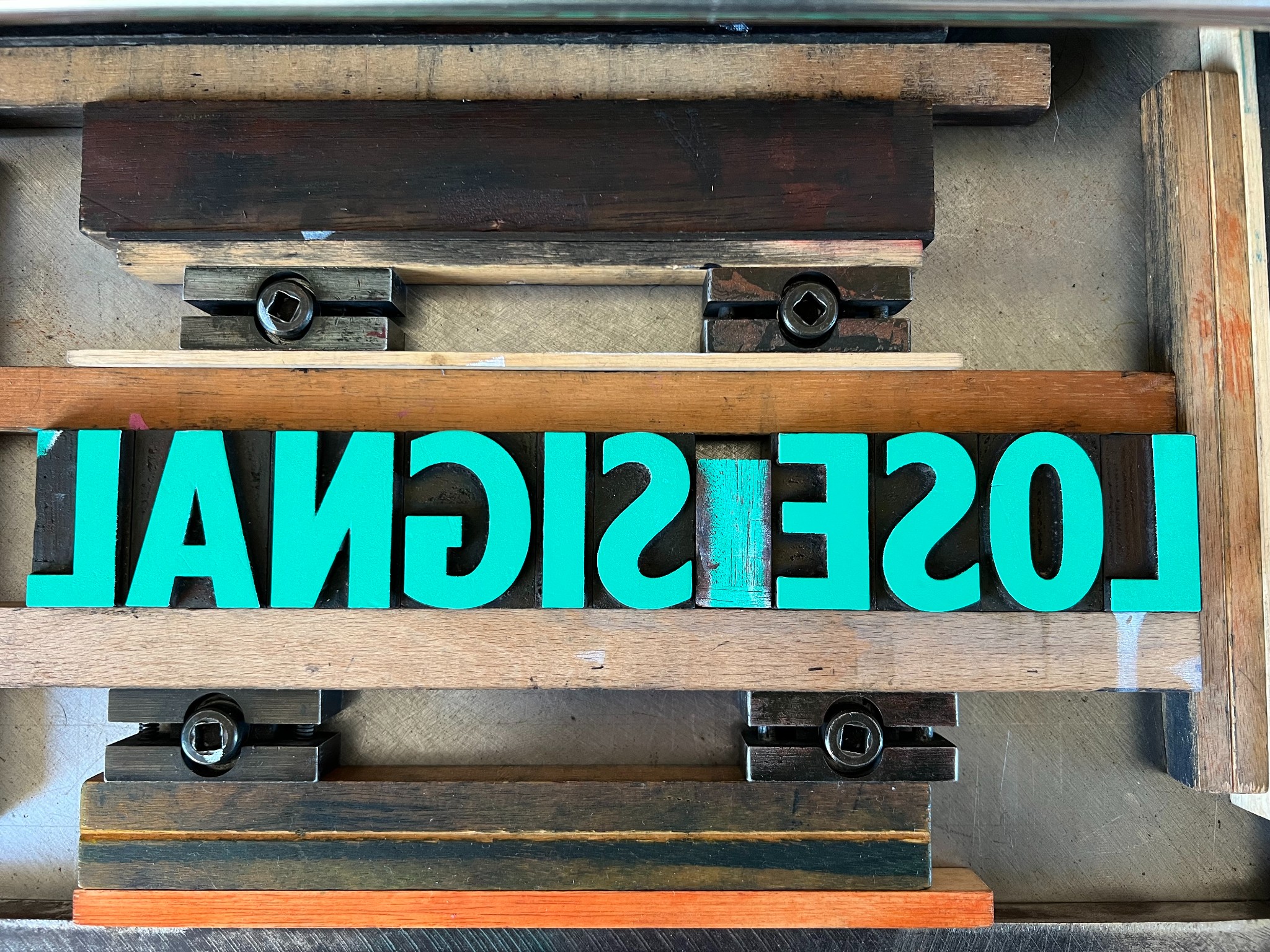
The award gave me both the structure and support to start making that vision real. It allowed me to dedicate focused time to research, experiment with different mediums (including printmaking), and explore how the visuals could function in a live context. That shift from static film to live visuals ended up shaping the final outcome in a really exciting way.
How did the funding change or enable your practice - what are you able to do now that you couldn’t before?
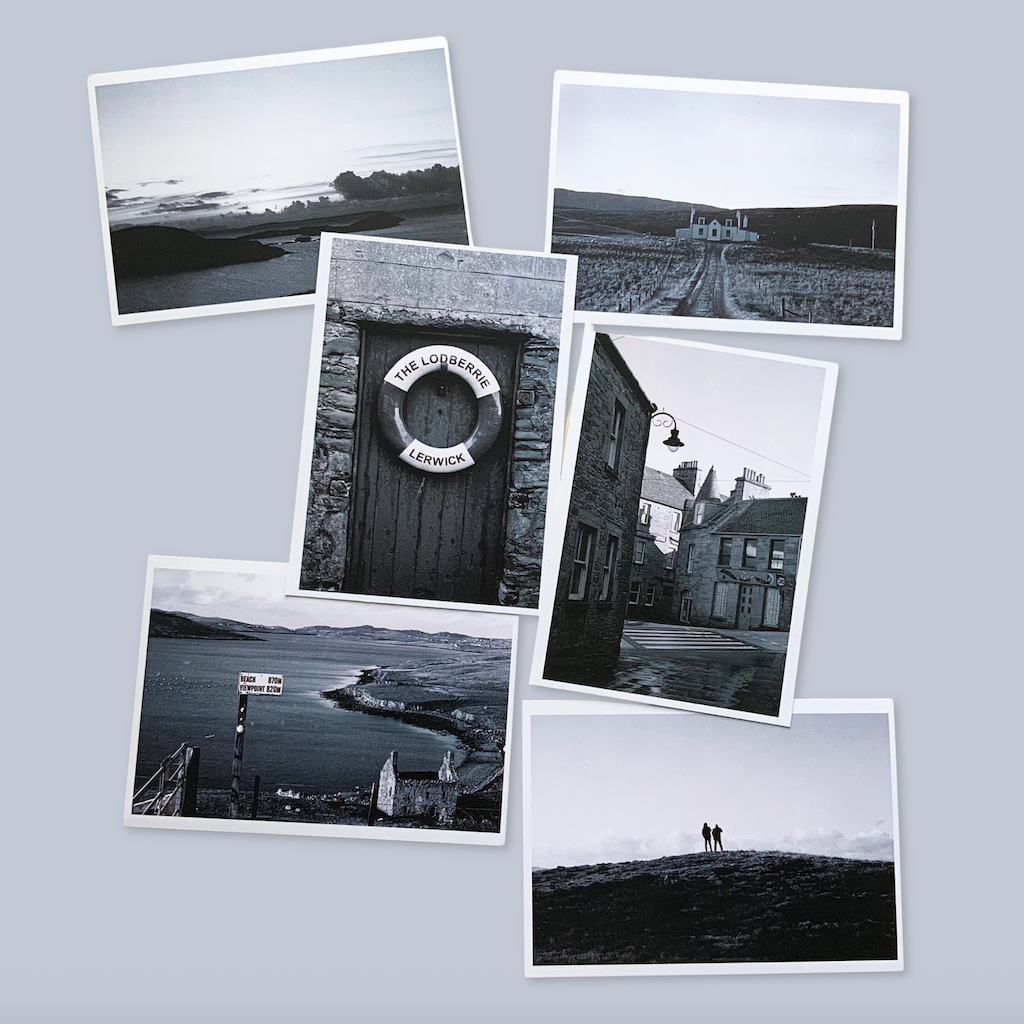
The funding gave me a clear framework. I created a timeline, a budget, and built momentum, which helped me shape the project from just the idea into something tangible. I was able to spend focused time working at Gaada, where I created prints that fed into my visual experiments.
The mentoring support I received from Jono was also invaluable. His feedback helped me realise that what I really wanted was to test the work in a live setting. Because of the funding, I was able to buy a controller for live visuals, invest in the right software, and dedicate time to developing and testing the work. It’s opened up a new direction in my practice that I hadn’t fully seen before.
Has the award influenced what you’re working on now, or how you see your practice evolving?
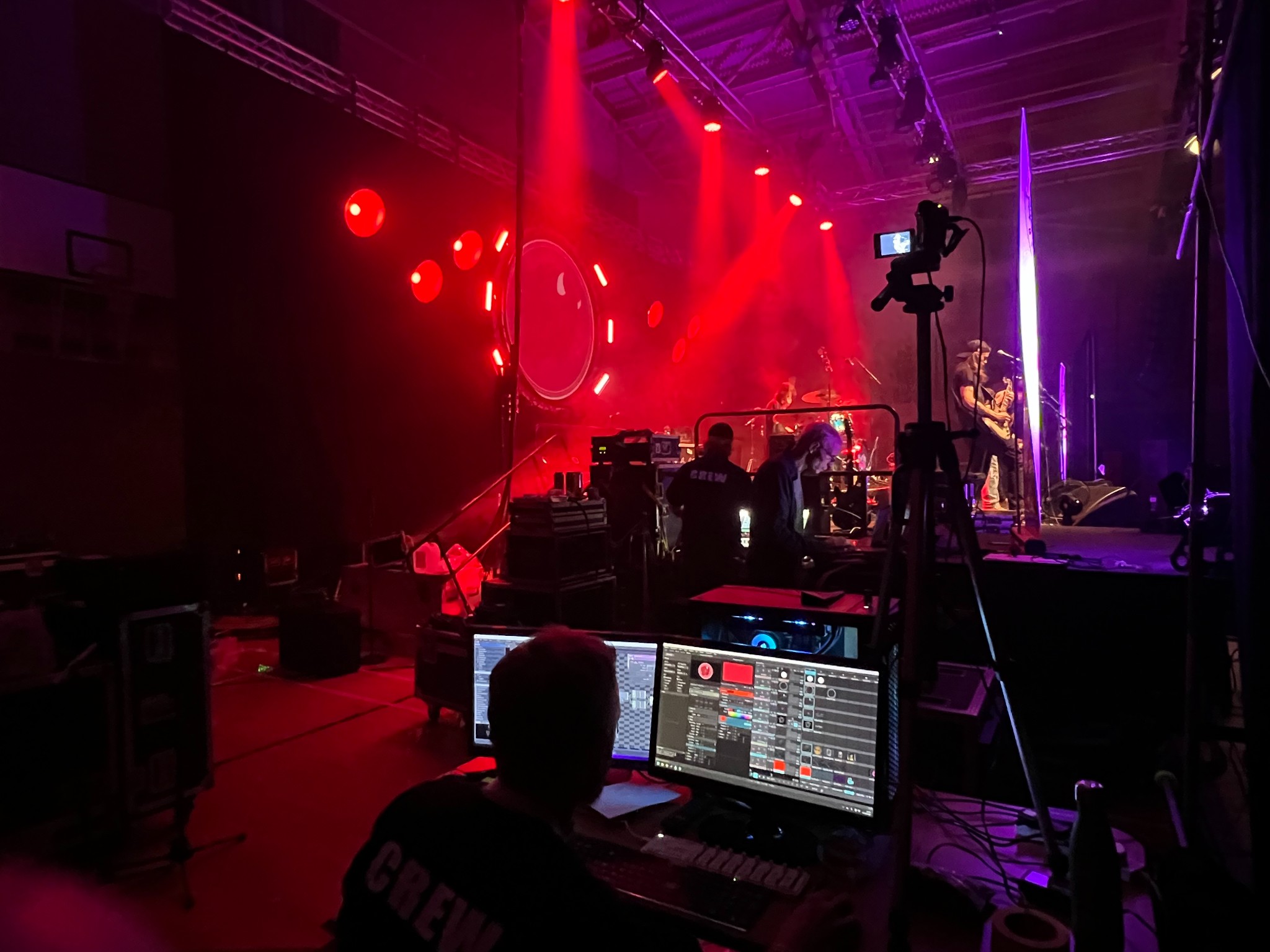
Absolutely. VACMA gave me the freedom to shift my focus toward live performance and collaboration. I’m now working toward a performance in November as part of the Soup and a Show series at Mareel, titled Day Tripping. It brings together all the threads of my VACMA project, from early research and studio experiments through to a live audio-visual performance.
It’s exciting to see it all come together, and the project has sparked new ideas for future collaborations and work in the world of live visuals. It feels like the beginning of a new chapter in my creative practice.
What would you say to another artist thinking of applying?
I’d absolutely recommend applying. Even if you’re starting with just the seed of an idea, VACMA gives you the structure and support to see where it can go. I’d suggest thinking through the full journey of the project from initial concept to potential outcome, but also being open to unexpected developments.
In my case, the project shifted in ways that were more exciting than I’d originally imagined. That freedom to explore, evolve, and take creative risks is one of the most valuable parts of the process.
The Visual Artist and Craft Maker Awards (VACMA) are a programme of small grant schemes delivered in partnership with a range of local authorities and art organisations across Scotland. The schemes are managed locally by these partners. VACMA offers fixed bursaries of £500 and £1,000. The purpose of these bursaries is to support visual artists and craft makers in their creative and professional development.